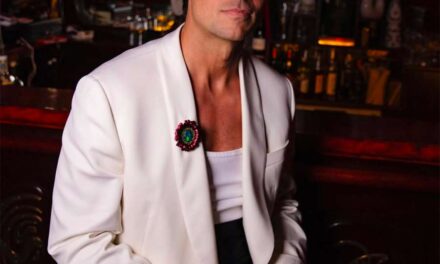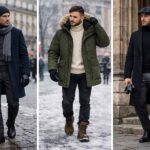
Pitti Uomo has never been about blending in. It is about arriving with intention. Winter 2026 confirms this once again: the season is defined by strong silhouettes, deliberate layering, and a return to expressive tailoring that feels lived-in rather than costume-like. The lookbook sets the framework, but it is the staff and models who bring the narrative to life. Their choices reveal what modern menswear looks like when theory meets movement, daylight meets nightfall, and tradition meets personality.
Across Florence, the mood is confident and quietly theatrical. Men are dressing for presence. Not for trends alone, but for how garments behave in real spaces: courtyards, cafés, evening parties, and cobbled streets. Let’s see how Hockerty stole the show here in Italy.
1. Double-Breasted Dominance
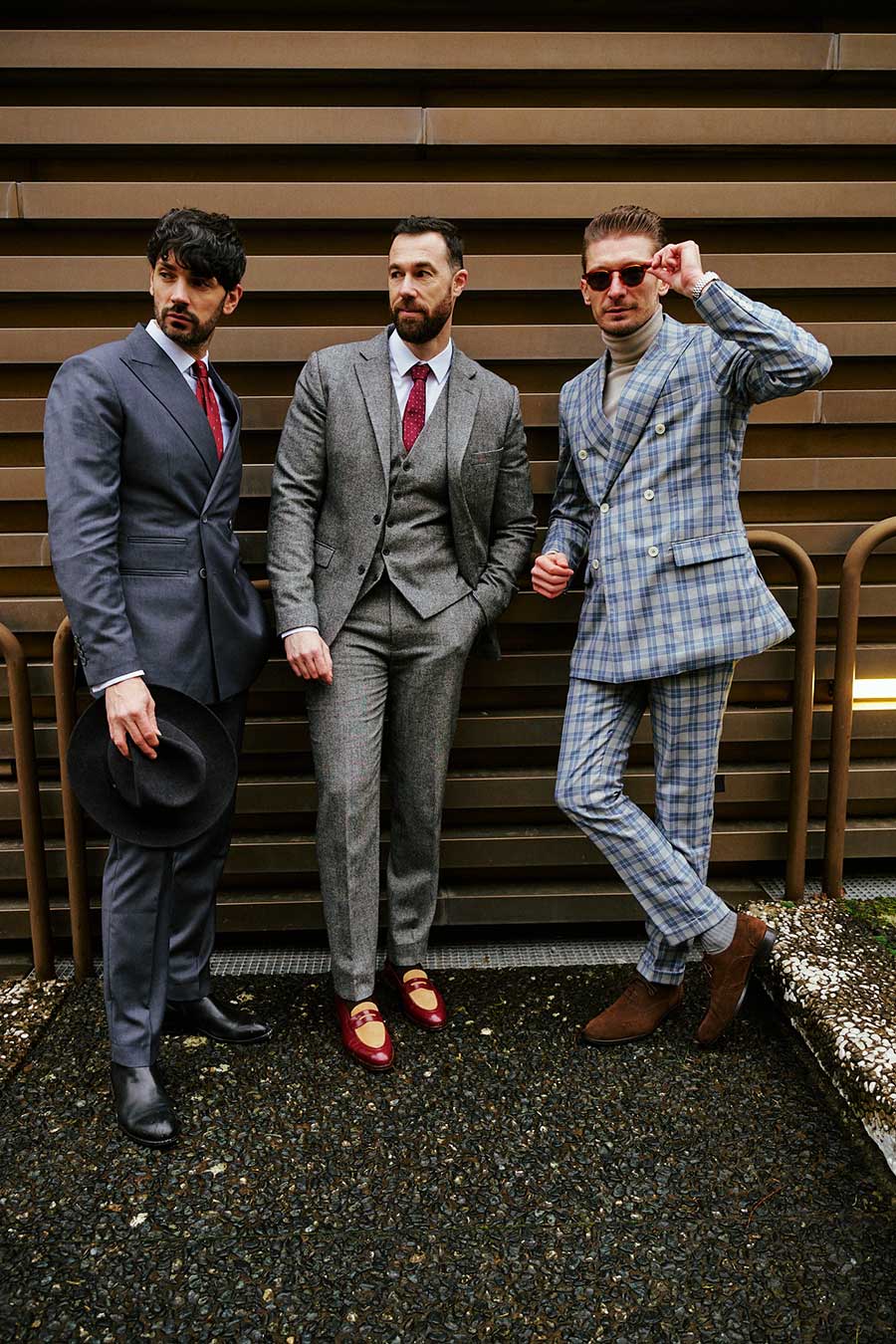
The strongest signal from both staff and models is the return of the double-breasted suit as the default winter power piece. Not nostalgic, not banker-like, but architectural. Shoulders are defined, lapels are wide, and the stance is upright without feeling stiff.
Most chose winter-weight fabrics: tweeds, flannels, tartans and Donegal weaves. These suits were worn with:
- White or soft-ivory shirts
- Solid or textured ties in burgundy, rust or forest green
- Waistcoats for structure rather than formality
Style tip:
A winter double-breasted suit should never feel slick. Texture is key. Choose cloth with visible weave and pair it with a matte shoe finish (suede or brushed leather) to avoid looking overly corporate.
2. Overcoats as Statement Pieces
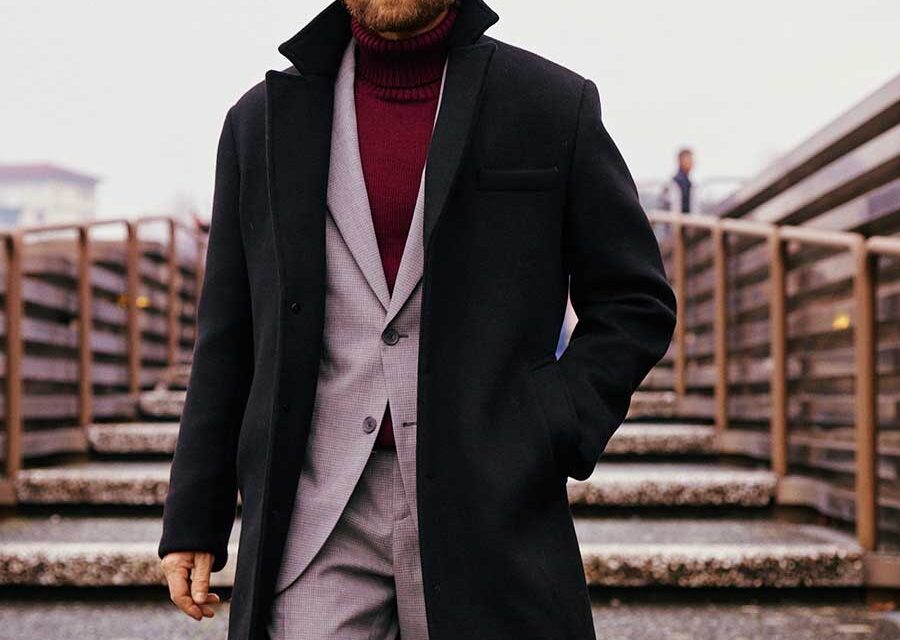
Outerwear was not an afterthought. It was the hero layer. Staff and models leaned into long silhouettes: knee-length or longer, often with peak lapels and heavier drape.
Popular choices included:
- Iron grey melange coats with contrast linings
- Black wool coats with exaggerated lapels
- Military-inspired coats with belts and structure
What stood out was how they were worn. Coats were left open to reveal tailoring beneath, creating depth and movement rather than hiding the outfit.
Style tip:
Your overcoat should frame your suit, not swallow it. Let lapels show. Let tie knots be visible. Think of the coat as a stage curtain, not a blanket.

3. Colour: Restrained but Not Safe
The palette was disciplined but expressive. No loud prints, no gimmicks. Instead:
- Charcoal
- Deep green
- Brown
- Mustard
- Burgundy
- Soft greys
These tones worked because they were layered, not isolated. A forest green tweed suit under a neutral coat. A brown corduroy suit with a crisp shirt and dark tie. Burgundy velvet paired with black trousers.
Style tip:
Winter colour works best when grounded. Choose one rich tone and build around it with neutrals. Let texture, not brightness, do the work.

4. Corduroy, Tweed and Tartan: The Fabric Shift
Staff styling made one thing clear: winter tailoring is moving away from smooth worsted wool and towards tactile surfaces.
Corduroy suits appeared frequently, especially in brown and rust shades. Tweed came in herringbone, Donegal and Prince of Wales checks. Tartans and subtle plaids replaced flat greys.
These fabrics created outfits that photographed beautifully but also looked practical and warm — a key shift from past seasons where Pitti sometimes leaned too theatrical.
Style tip:
If your suit fabric feels like it could belong in summer, it probably doesn’t belong in winter. Aim for weight. Your suit should hold shape even under a coat.

5. Waistcoats and Braces Return
Three-piece suits were a visible choice among staff and models, particularly in tweed and tartan. Waistcoats restored proportion to layered outfits and added formality without relying on ties alone.
Braces (suspenders) paired with high-waisted trousers reinforced a 1930s silhouette without costume effect.
Style tip:
A waistcoat works best when it looks intentional. Match it in fabric to your suit or go one shade darker for subtle contrast. Keep it fitted but not tight.

6. Daywear: Authority with Ease
Daytime looks were controlled, sharp, and composed. Nothing sloppy. Nothing casual for the sake of it. Even relaxed outfits were structured.
Notable combinations:
- Grey double-breasted suit + red tie
- Tweed suit + waistcoat + overcoat
- Trousers with braces + heavy knit or shirt
Footwear stayed classic: Oxfords, Derbies, loafers with socks. No sneakers. No irony.
Style tip:
Day tailoring should look like you belong where you are. Florence asks for discipline. Keep your lines clean and your proportions balanced.


7. Nightfall: Velvet, Drama and Contrast
When evening arrived, everything softened and intensified at once. Staff and models changed into:
- Velvet tuxedo jackets
- Shimmer-finish tuxedos
- Burgundy and blue dinner jackets
- Black trousers with satin stripes
What made these looks work was contrast: velvet against cotton shirts, matte trousers against shiny lapels, formalwear paired with relaxed energy.
Style tip:
Evening dressing is about mood, not rules. Choose one element that feels theatrical (velvet, satin, deep colour) and keep the rest disciplined.

8. Accessories: Subtle, Not Loud
Accessories were present but never dominant:
- Solid silk ties
- Pocket squares in muted tones
- Polished leather shoes
- Clean eyewear
No oversized logos. No novelty items. The accessories supported the garment story rather than hijacking it.
Style tip:
If your accessory is louder than your coat, it’s doing too much. Let tailoring lead, let accessories whisper.

9. What Staff and Models Communicated
What made these looks convincing was not styling alone. It was posture, movement and attitude. The clothes were worn with ease, not performance. No costume energy. No forced drama.
The message was clear:
Modern tailoring is about presence, not perfection.
Elegance is confidence, not stiffness.
Winter style is about layers that speak together.
They did not dress to be photographed. They dressed to exist inside their clothes.

10. How to Apply This in Real Life
You don’t need Florence or velvet to apply these lessons.
Start with:
- One textured suit
- One long coat
- One rich colour
- One proper shoe
Build your winter wardrobe like architecture:
Base layer = structure
Middle layer = texture
Outer layer = authority
If your outfit tells a story in three layers, it will always look intentional.
Final Takeaway
Pitti Uomo Winter 2026 proves that tailoring is not retreating. It is evolving into something warmer, heavier, and more personal. Staff and models did not dress for trends. They dressed for narrative: from daylight discipline to nighttime theatre.
The real trend is not double-breasted suits or velvet jackets.
It is dressing with intent.
To be overdressed. On purpose.
To choose structure.
To choose texture.
To choose presence.
Because style is not about what you wear.
It is about how you arrive.