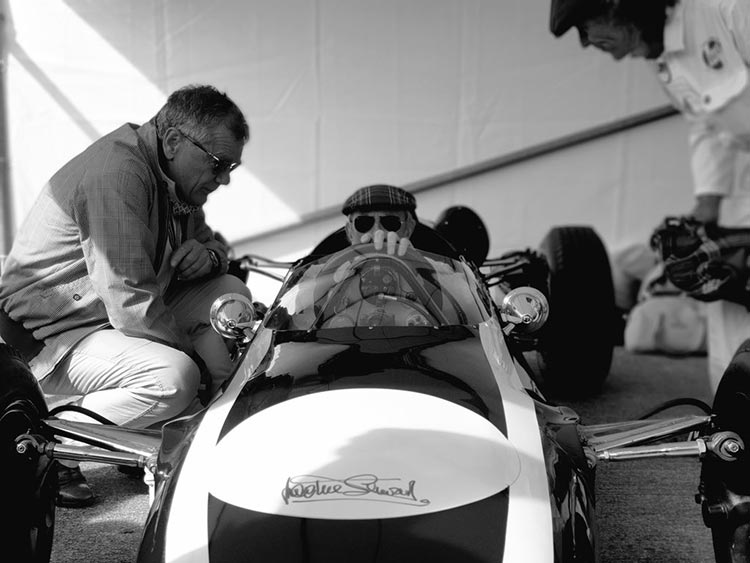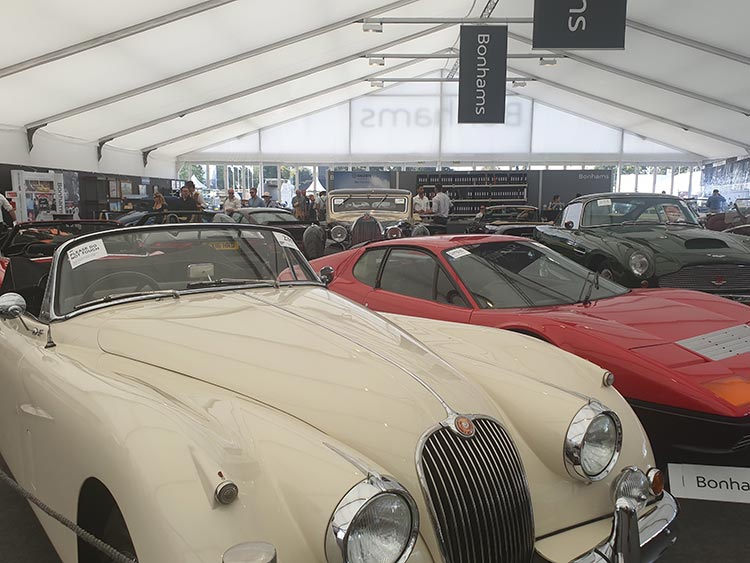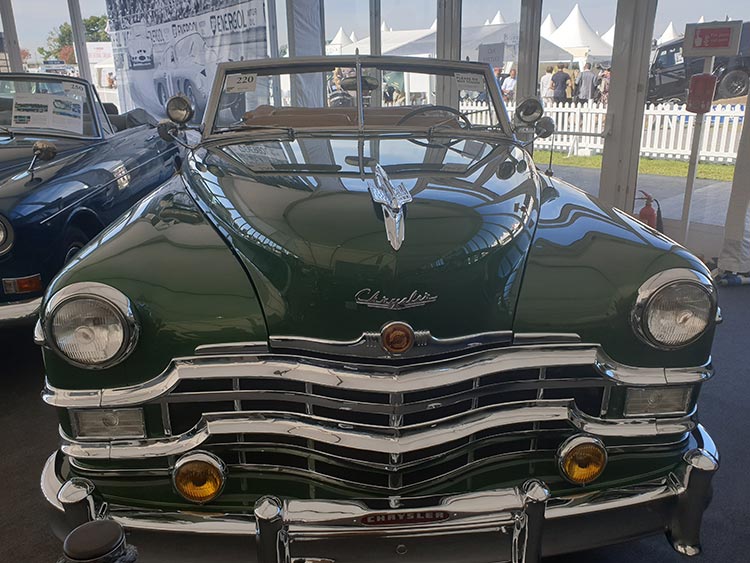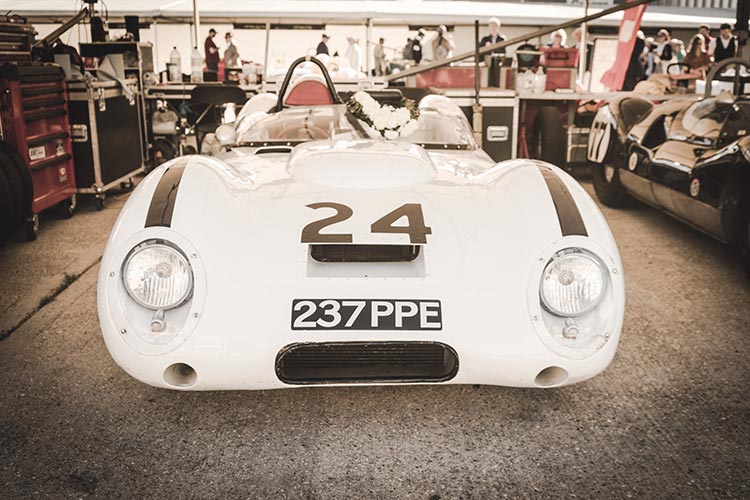
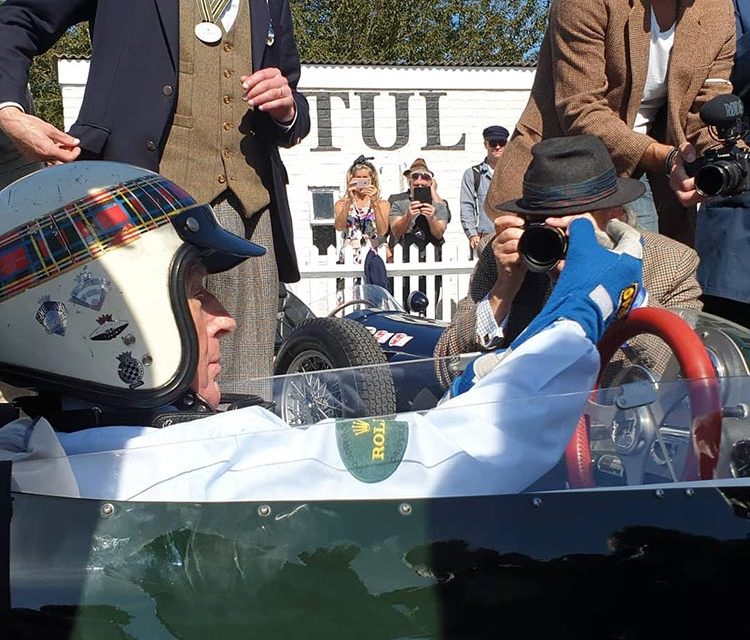
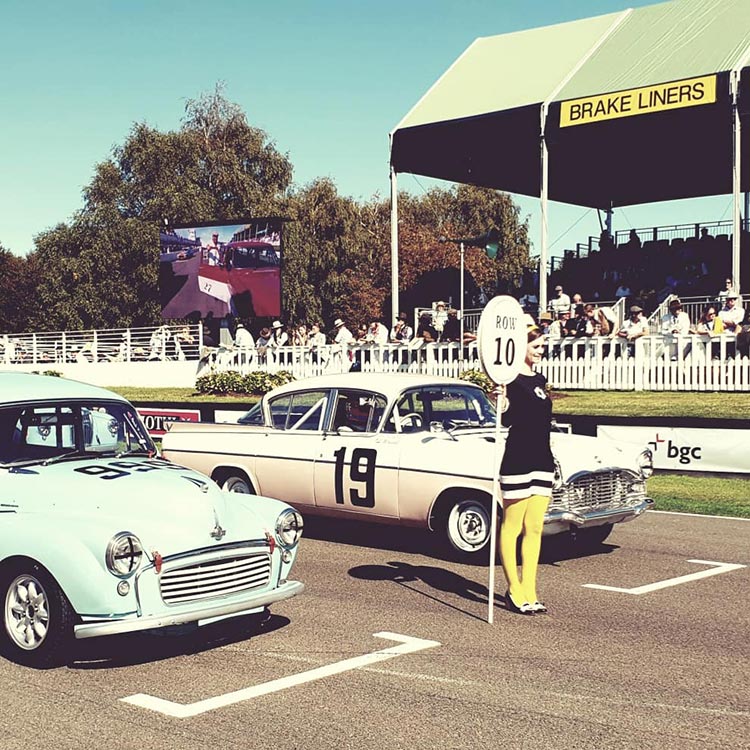
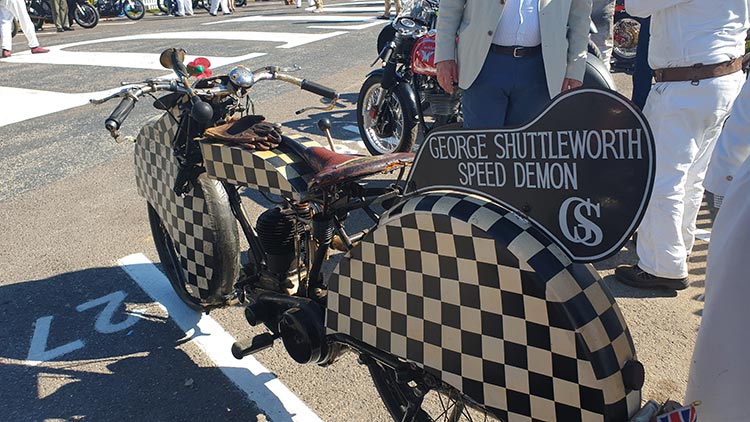
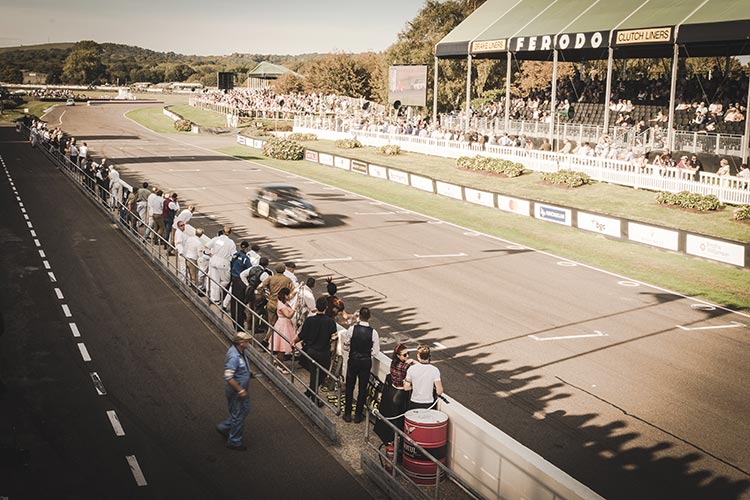
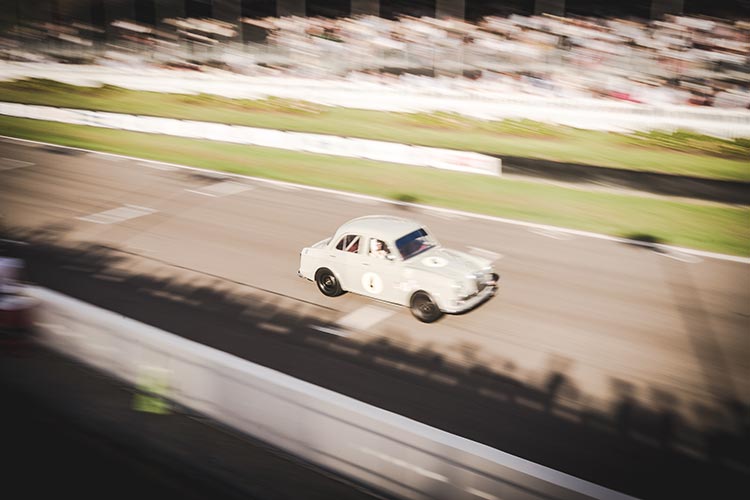
Every September, Goodwood Revival transforms into a time capsule of elegance, speed, and spectacle. For classic car enthusiasts, it is the crown jewel of historic racing. For fashion lovers, it’s a living Dior catwalk, where tweed jackets, vintage dresses, and elaborate hats strut alongside priceless Ferraris, Aston Martins, and Jaguars.
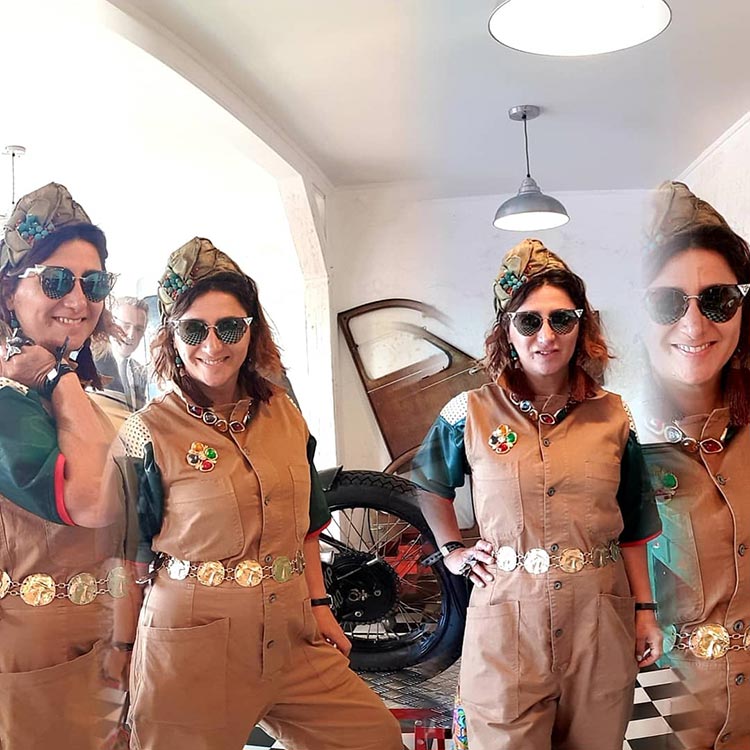
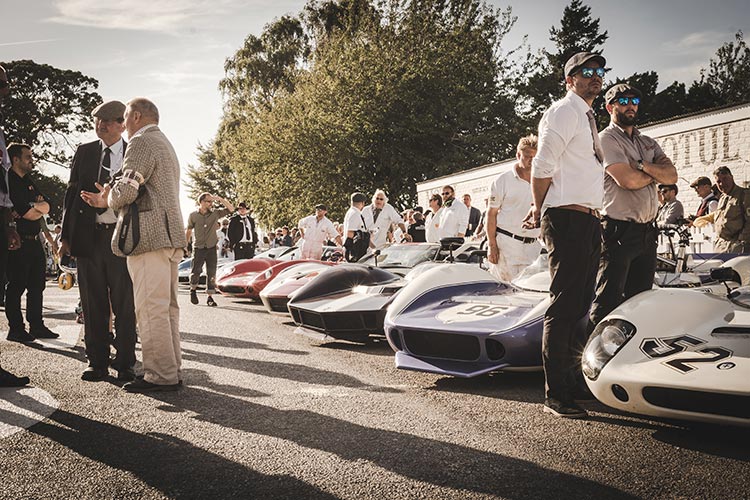
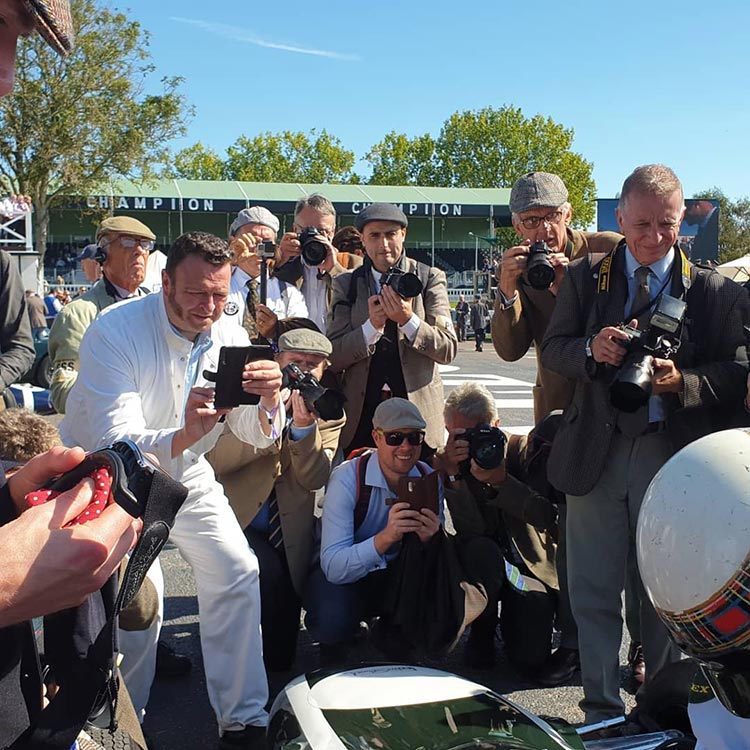
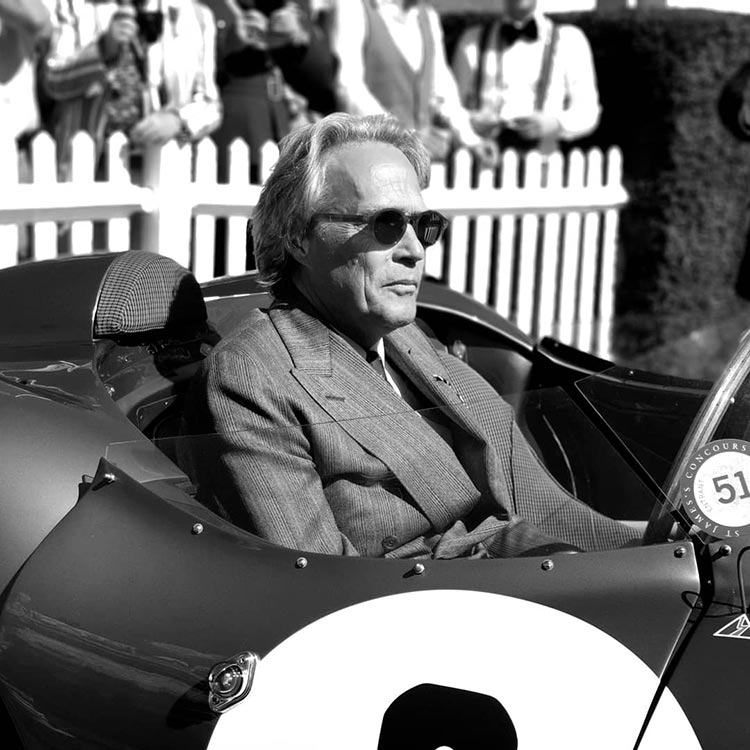
This year, as I wandered through the paddocks in my vintage-inspired outfit, I couldn’t help but marvel at the visual theatre of it all. The cars gleamed like jewels under the English sun. The crowds looked as if they had walked straight out of a 1950s film set. At moments, it was easy to forget I was in 2025.
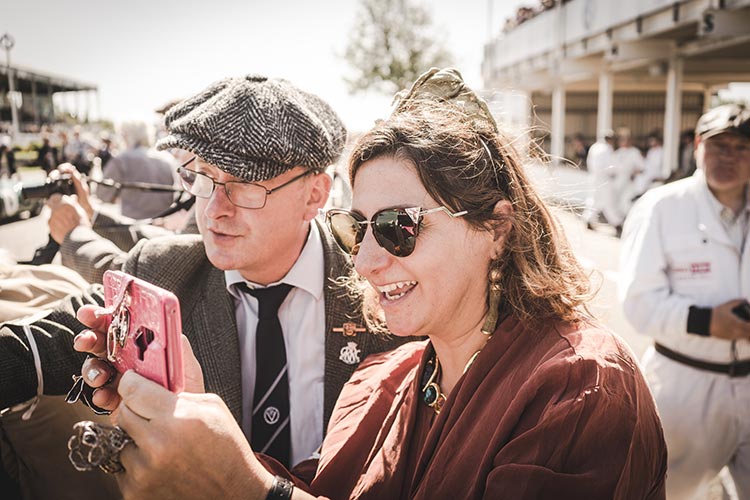
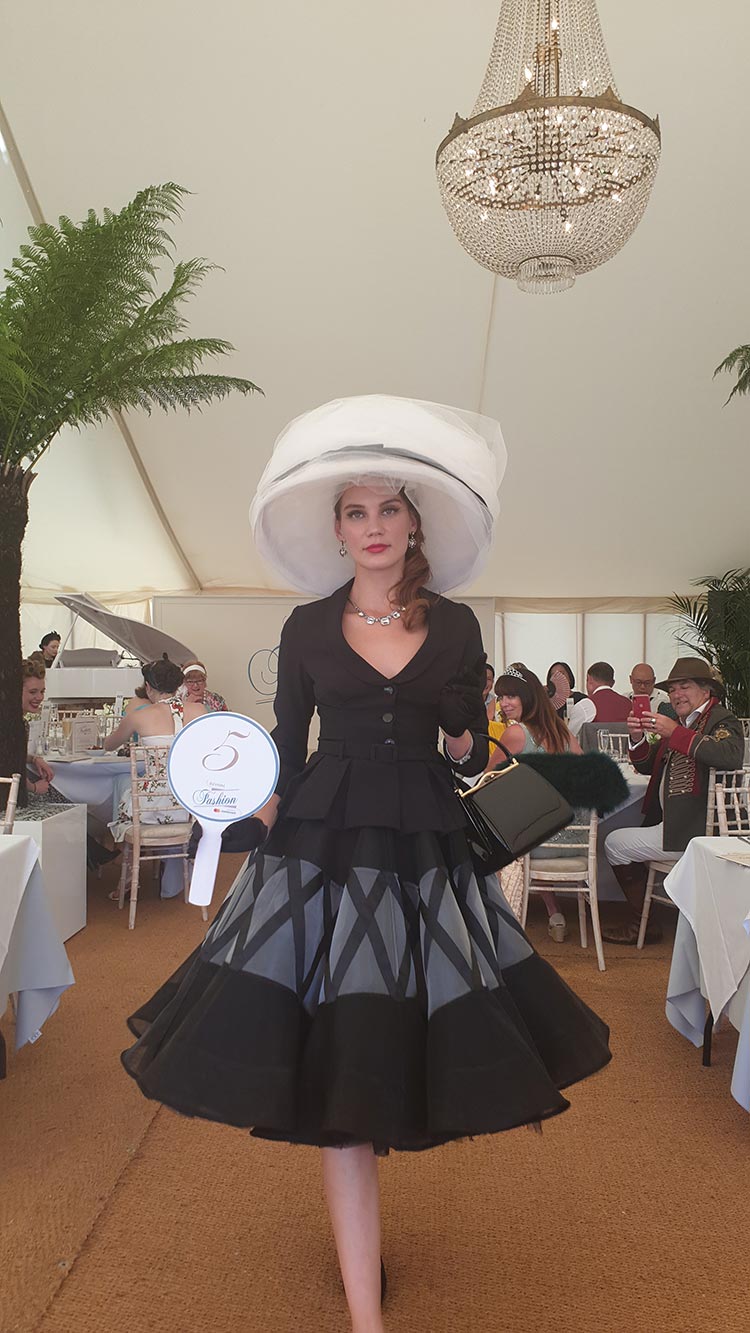
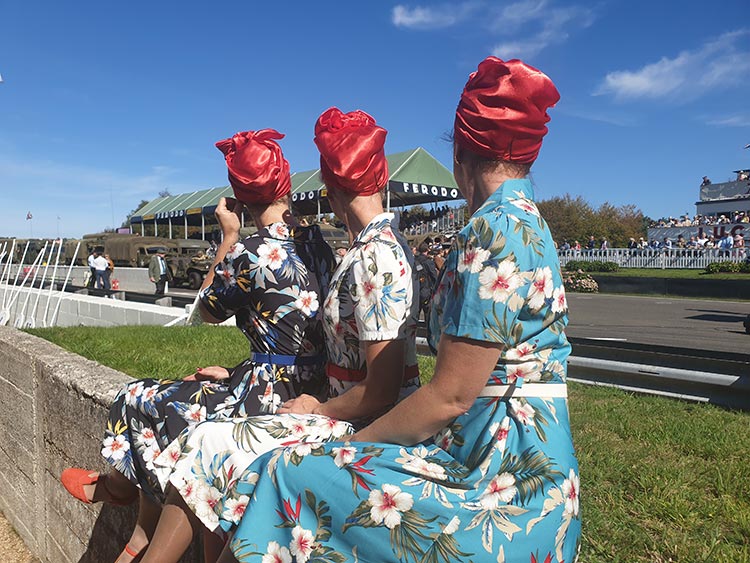
I adored the fashion. The attention to detail rivalled any runway show I’ve ever attended. Watching a group of women glide past in silhouettes inspired by Christian Dior’s New Look of 1947 felt like watching a Paris catwalk transported to Sussex. Goodwood isn’t just about racing; it’s an immersion into a lifestyle of heritage, style, and elegance.
But amid all this glamour, one thought kept gnawing at me. As the engines roared and the grids filled up, I found myself asking:
Where are the women behind the wheel?
A Celebration Missing Half the Story
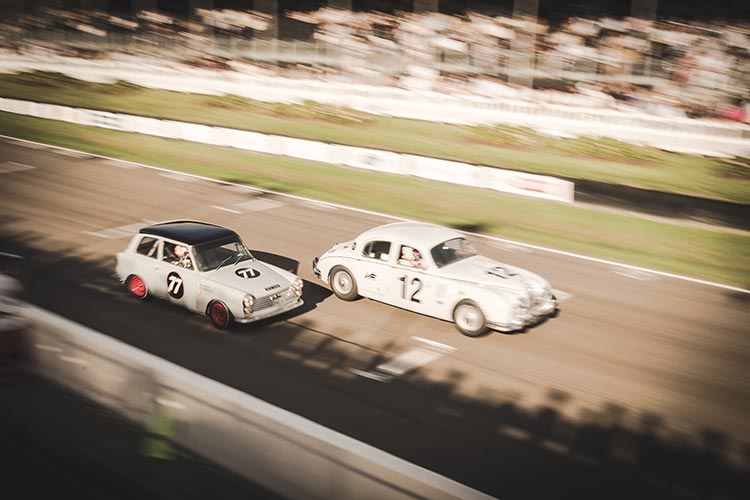
Goodwood Revival prides itself on authenticity. Every detail is meticulously crafted to recreate the golden era of motorsport. But if heritage is about telling the full story of history, then this particular stage feels incomplete.
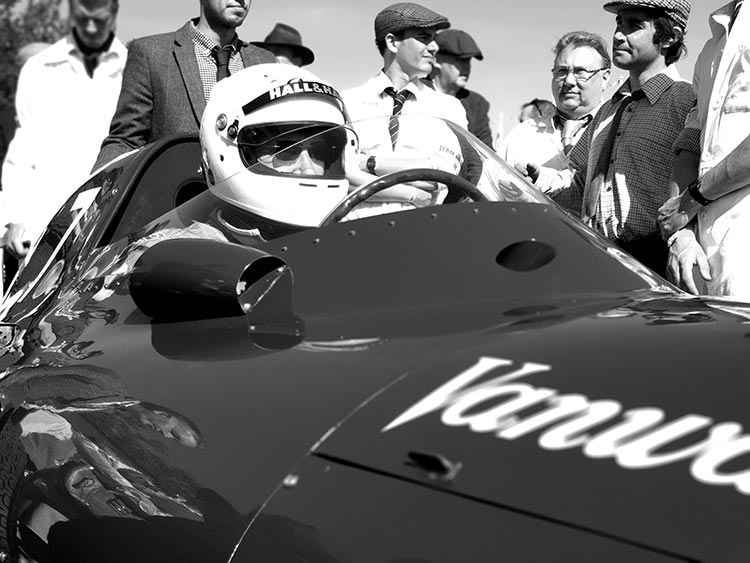
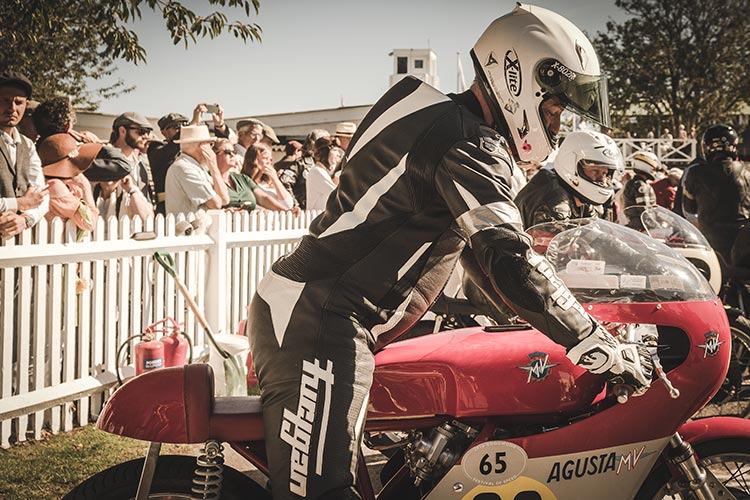
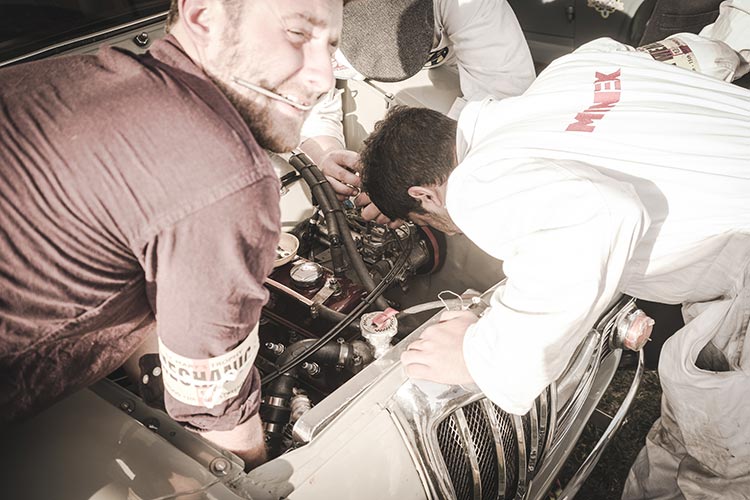
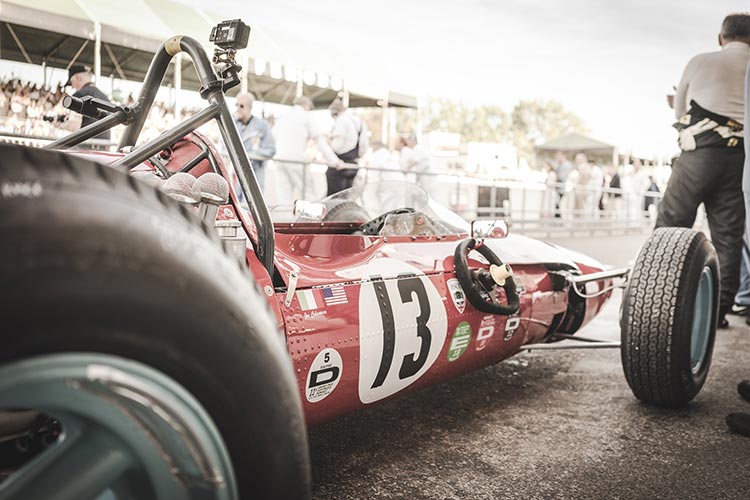
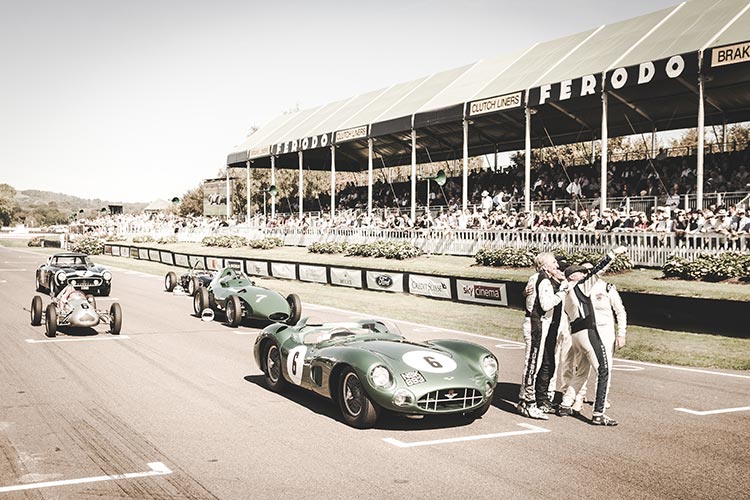
The Revival’s racing grids are overwhelmingly male. The drivers wearing period-correct leather helmets, the racers wrestling priceless classics around the track — they are almost exclusively men. And yet, women have always been a part of motorsport’s history.
Maria Teresa de Filippis was competing in Formula 1 as early as 1958. Michèle Mouton nearly won the World Rally Championship in 1982. Women raced in Mille Miglia, in endurance rallies, in events across Europe throughout the 20th century. They are not an anomaly — they are part of the fabric of motorsport’s heritage.
So why, in 2025, does Goodwood Revival not showcase this legacy with female racers on the grid?
The Contrast Between Fashion and Racing
As someone who has reviewed cars for over a decade — from Bentley to Ferrari, Rolls-Royce to Aston Martin — I know how powerful it is to see women connected to cars in the public eye. I’ve felt the thrill of being behind the wheel of supercars that are still so often marketed to men.
And at Goodwood, women do play a visible role — but only in fashion. The Dior-inspired dresses, the victory rolls in their hair, the perfect eyeliner flicks. Women contribute to the atmosphere, to the catwalk element, to the glamour that makes Revival so visually intoxicating.
But when the racing begins, women disappear.
“Heritage belongs to all of us. But if women are absent from the Goodwood grid, then half the story is missing.” – Gracie Opulanza
This contrast is impossible to ignore. Women’s presence is celebrated in fashion, but their absence on the track is deafening.
Why Does This Matter?
Some may argue that Goodwood Revival is simply recreating history — and in the 1950s and 60s, women were not as visible in racing. But that argument doesn’t hold. Women were competing, often against immense odds. And even if their numbers were smaller, Revival is not just about reenacting the past, it is about celebrating it.
Celebration means recognition. It means shining a spotlight on the figures who shaped motorsport, whether they were the majority or not. To omit women from the track is to erase them from the story.
“Motorsport doesn’t move forward by clinging to one version of the past. It moves forward by reimagining heritage in a way that’s inclusive.” – Gracie Opulanza
Including female racers at Revival isn’t about ticking a diversity box. It’s about telling the truth. It’s about enriching the event with the stories and talents of women who love these cars just as much as men.
The Energy Women Could Bring
Imagine, for a moment, the sight of a woman stepping onto the Goodwood grid in a perfectly restored Jaguar E-Type, or a 1960s Ferrari 250. Imagine her racing shoulder-to-shoulder with men, dressed in vintage overalls, helmet strapped on, ready to prove her mettle.
The crowd would cheer. The cameras would flash. The impact would ripple far beyond Goodwood.
This isn’t just a matter of symbolism. Motorsport is an industry fighting to stay relevant to new generations and broader audiences. Women on the Goodwood track would signal that classic cars, too, belong to everyone. It would inspire young girls in the stands to dream about driving, not just dressing up.
“I’ve driven cars that cost more than houses, cars that intimidate most men. Women are here, women are capable, and women deserve their place on the grid.” – Gracie Opulanza

Solutions, Not Excuses
So what needs to change? The answers aren’t complicated:
- Invitations: Extend direct invitations to female drivers, both professional and amateur, to compete in Revival races.
- Sponsorship: Partner with brands — especially those courting female customers — to fund women’s entries.
- Visibility: Celebrate the women who already own classic cars and highlight their stories.
- Mentorship: Create pathways for young women to experience racing classics, not just admiring them.
These steps don’t undermine tradition. They expand it.
My Experience: The Joy and the Discomfort
I loved my day at Goodwood. I loved the theatre, the fashion, the cars lined up in gleaming rows. I loved the Dior catwalk moments and the sense of being part of something timeless.
But as the engines started and the men took to the track, I felt a pang of discomfort. For all its authenticity, for all its glamour, Revival left me asking one simple, uncomfortable question.
Where are the women?
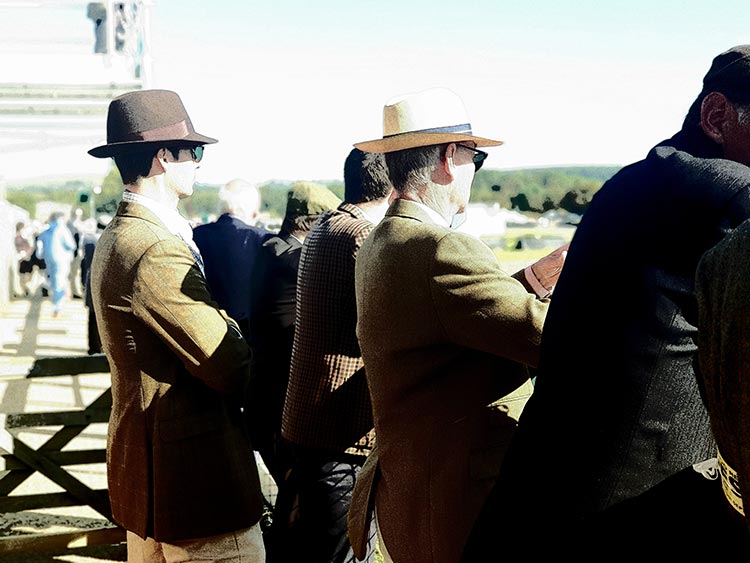
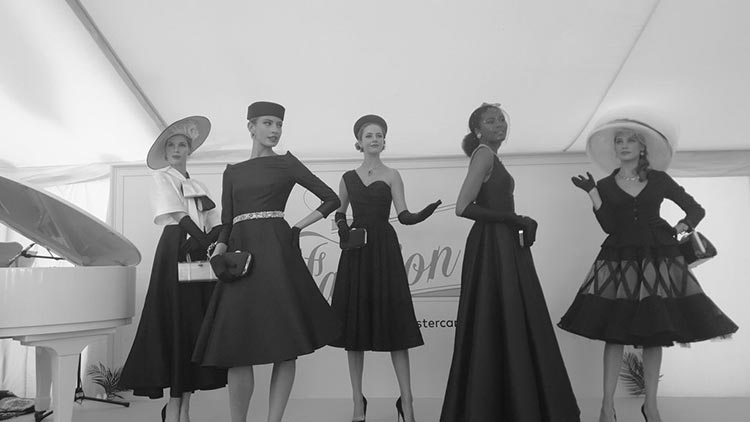
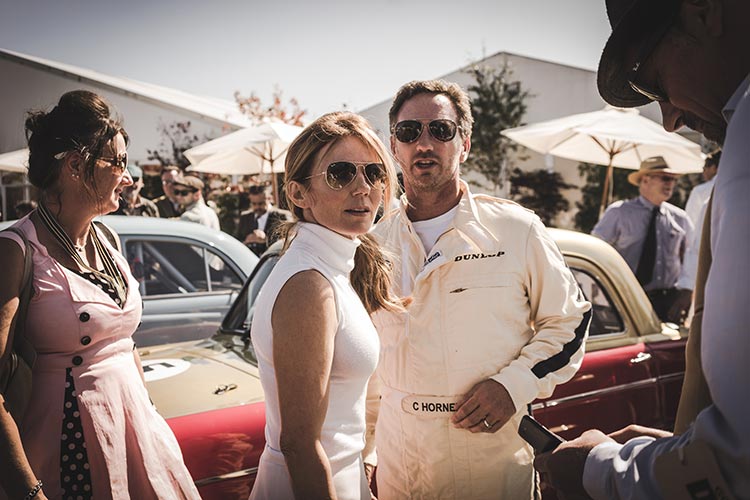
- Vintage Dior
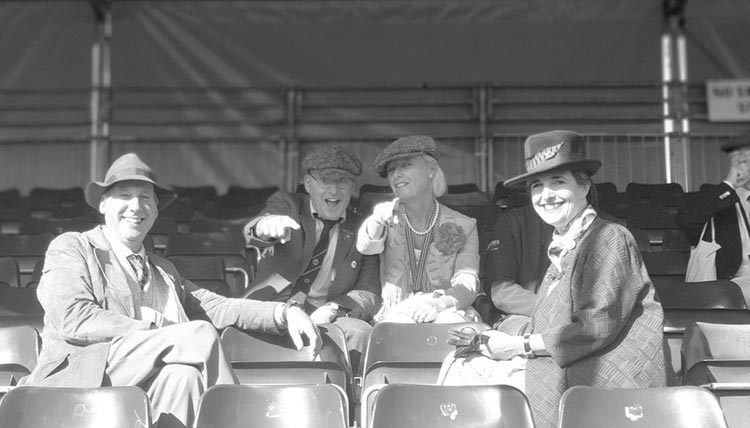
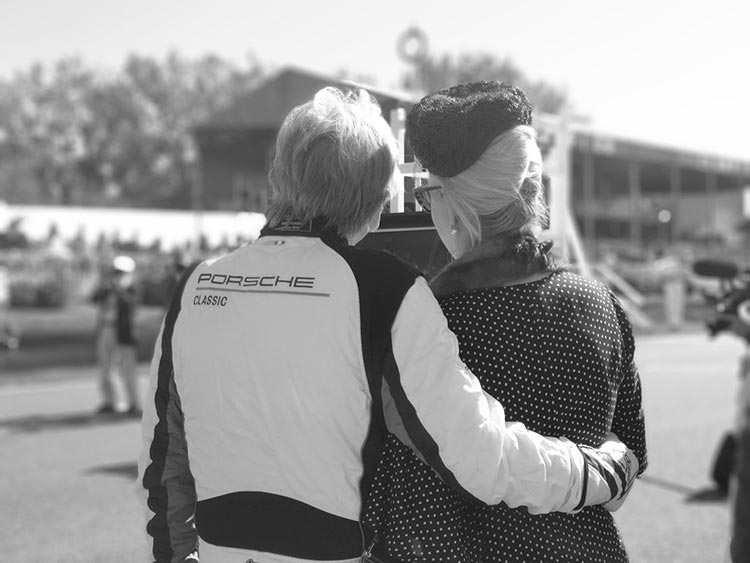
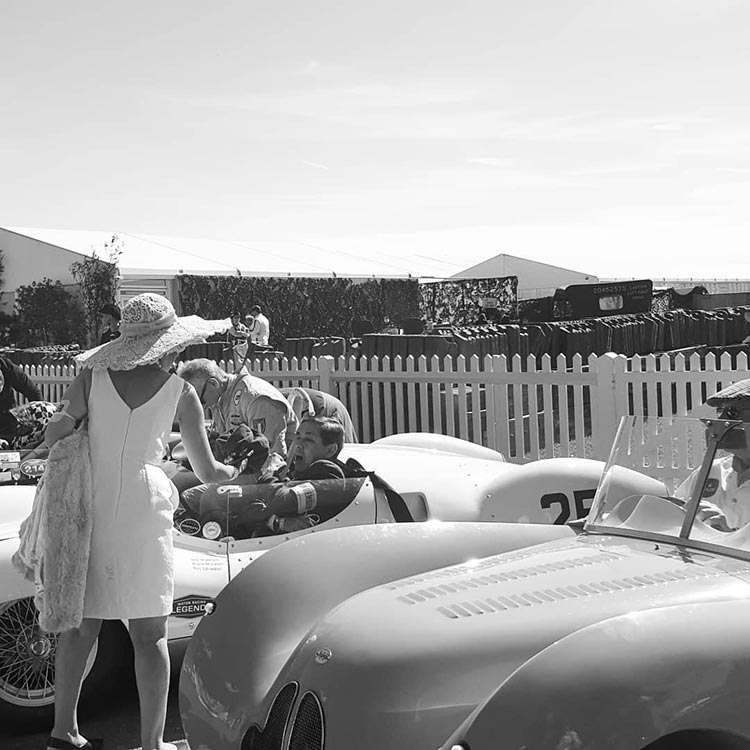
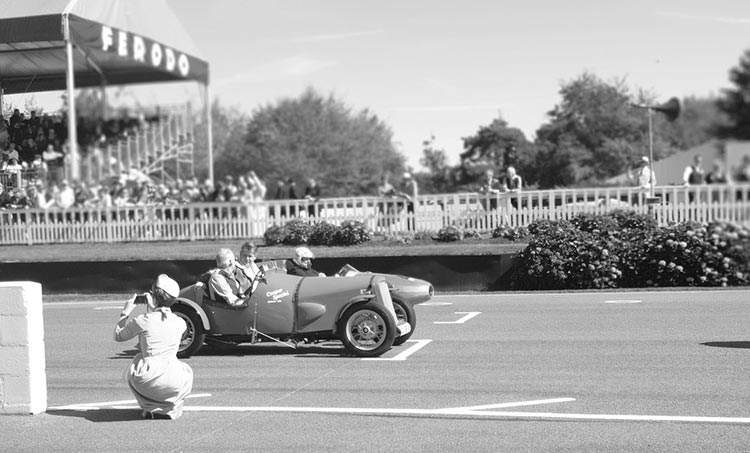
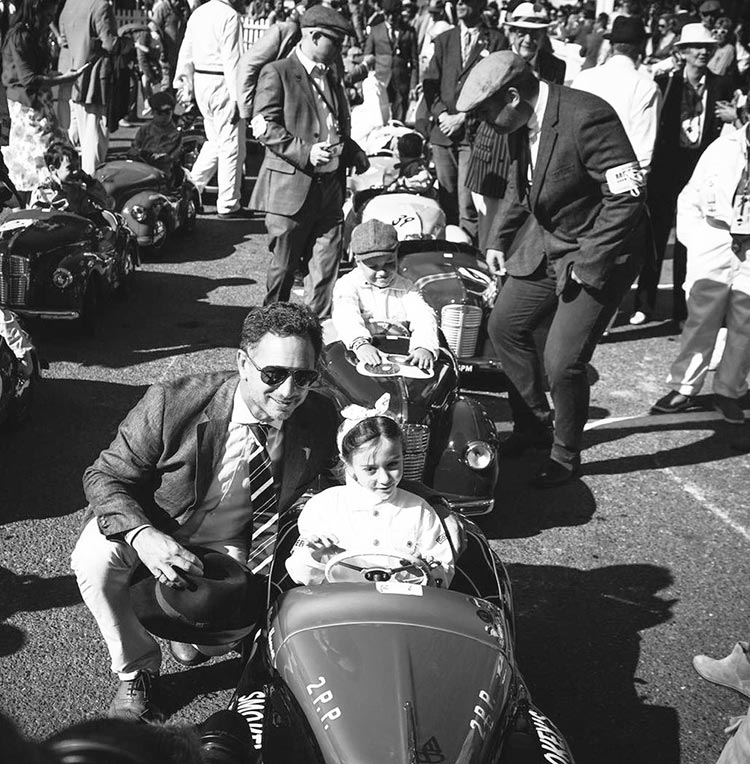
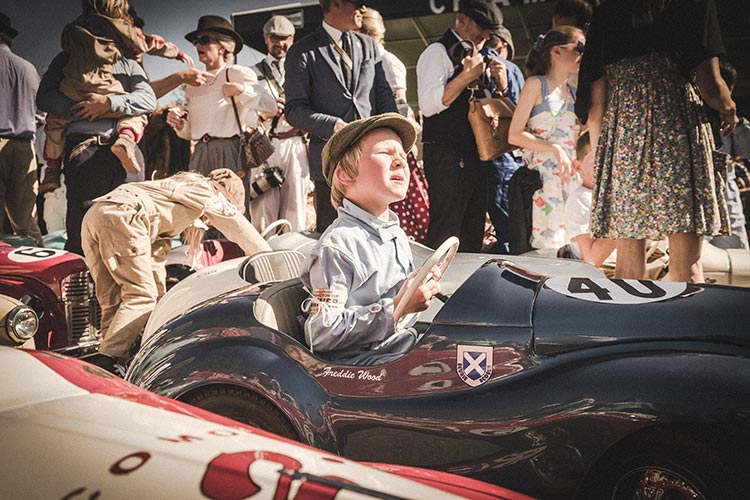
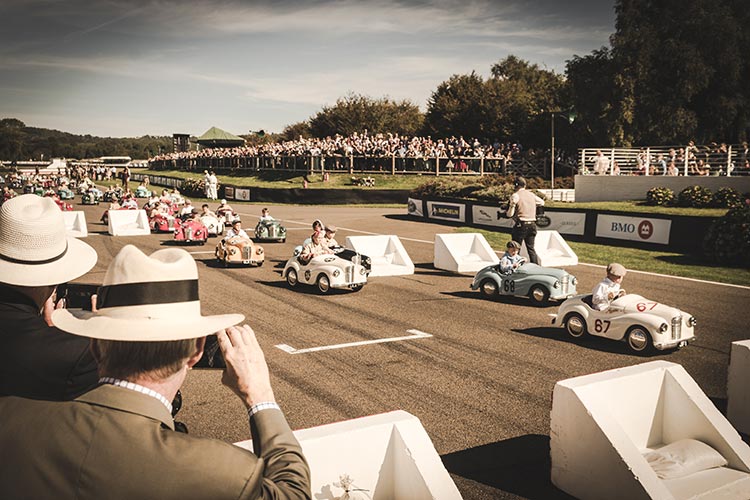
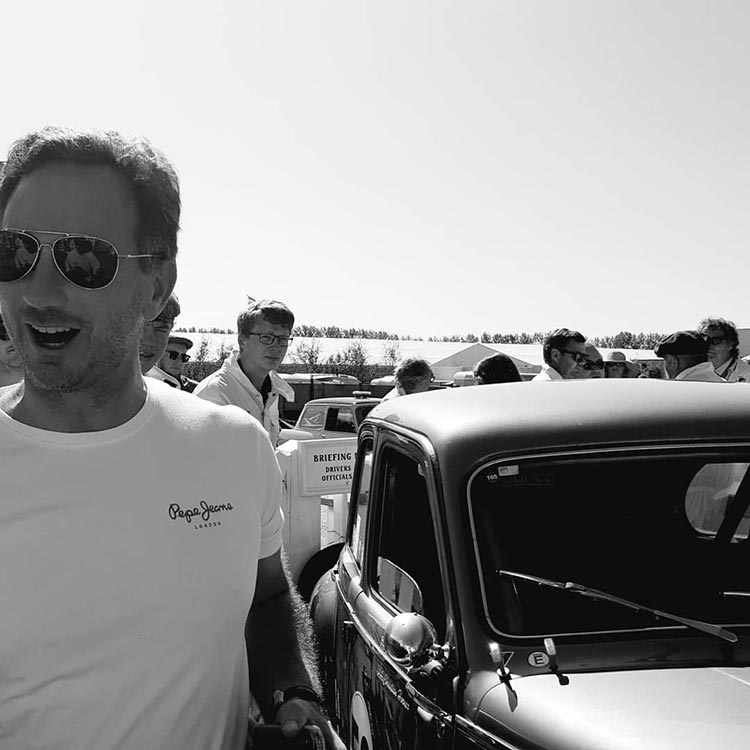
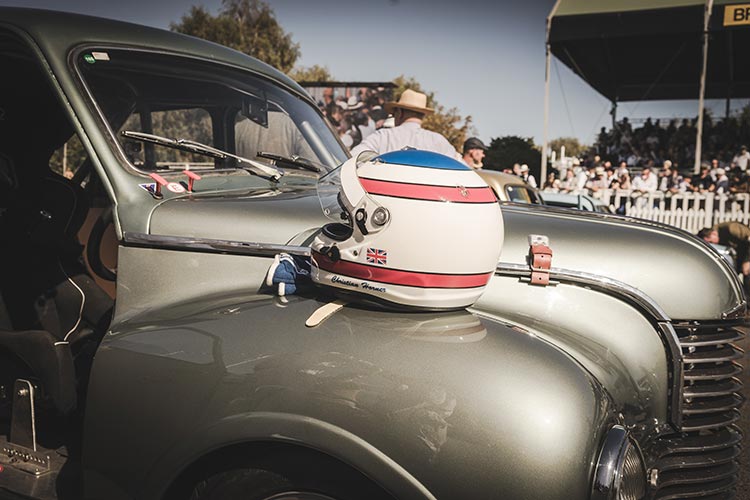
- Christian Horner with his daughter at the children’s pedal car race
Closing Thought
Goodwood Revival has built its reputation on celebrating the golden age of motorsport. But heritage without inclusion is nostalgia with blind spots. Women were there, women are here, and women must be part of the story moving forward.
“The question isn’t whether women belong on the Goodwood grid — we always have. The question is, why are we still invisible?” – Gracie Opulanza