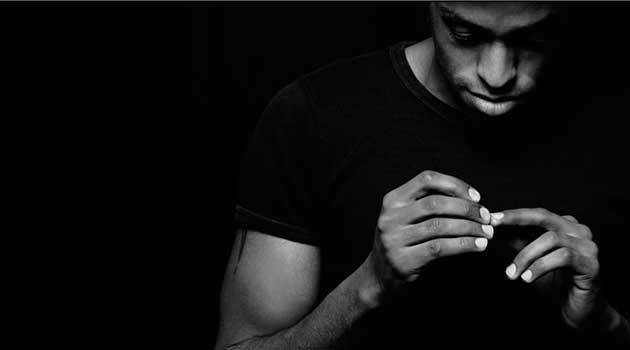

My dark skin friend just launched his brand, T363 Voices, in New York—cameras on, scripts off—asking real women what they actually think about men’s skincare, grooming, and self-care. The answers were raw, funny, occasionally savage, and exactly what the beauty industry needs to hear. It reminded me how long I’ve been in this space. I’ve owned MenStyleFashion since 2012, and I’ve watched the tides shift—sometimes roaring forward (barber culture, beard oils, skincare literacy) and sometimes stalling hard (makeup for men, shade inclusivity in Asia, anything tailored to Black skin). So, let’s get honest about what changed, what didn’t, and who’s still being ignored.
2012–2015: The Beard Awakening and the Barbershop Renaissance
Back in 2014 I interviewed Ricki Hall, the beard model who helped define that rugged, inked, heritage-workwear aesthetic. At the time, none of us predicted the beard economy would explode like it did: specialist oils, balms, washes, boar-bristle brushes, wooden combs, and entire retail walls dedicated to facial hair care. The modern barbershop morphed from a quick clipper run to a lifestyle space—hot towels, straight-razor shaves, craft coffee, merch drops, and Instagrammable interiors.
And then there was Beckham. David Beckham was the north star for men’s style in that era—fading in and out of stubble, switching from buzzcuts to pompadours, making tattoos and grooming feel aspirational rather than vain. Funny enough, even David Gandy’s tailored elegance wasn’t the main reference point for mass grooming—the public followed Beckham’s chameleon energy and saw grooming as part of identity work, not vanity.
2016–2019: Skincare Literacy Goes Mainstream
This is when ingredient-led skincare took off for men. Hyaluronic acid stopped sounding like chemistry class and started sounding like a must-have. Men figured out that exfoliation wasn’t a feminine ritual; it was the fix for ingrown hairs and dullness. The routine typically shrank to three or four steps—cleanser, serum, moisturiser, SPF—but it was smarter. Retinol at night. Vitamin C in the AM. Niacinamide for oil control. Even the most basic guy knew the difference between a foaming cleanser and a cream one.
At the same time, barbers began selling scalp health as skin health. Dandruff, buildup, thinning—suddenly there were scalp scrubs, caffeine tonics, and advice on not blasting your head with 50°C water every shower. Fragrance branched out too: guys moved beyond blue aquatic clichés into woods, amber, and niche houses. Grooming went from hide the flaws to optimise the system.
2020–2022: Home Routines, Cameras On, Zero Excuses
Lockdowns pushed everything into the bathroom. Clippers sold out. DIY fades got… creative. But it was also the era of Zoom skin. Men looked at their own faces under LED lights all day and started buying ring lights and concealers—even if they wouldn’t admit it. Skincare subscriptions grew. Devices like LED masks and dermarollers moved from female-coded to neutral. TikTok accelerated trend cycles: one viral routine and hyaluronic acid was gone off shelves for weeks.
2023–Now: Function Over Flex—But With Taste
Right now, the winning play is “quiet competence.” Fewer products, better formulas, good packaging, clean scents. The gym bag carries a non-drying cleanser, a light moisturiser, and a mineral or hybrid SPF that doesn’t leave a cast. Beards are neater—faded at the cheeks, lines crisp, neckline disciplined. Brows are groomed, not sculpted. Nails are clean. The vibe is: I care, but I’m not high-maintenance.
And Makeup for Men?
Here’s the blunt truth: the mainstream never fully adopted it. Tinted moisturiser and under-eye corrector have niche traction, especially among creators and camera-facing professionals, but your average guy still sees “makeup” as a step too far. That said, there’s a stealth lane: skin tints marketed as “tone evening,” brow gels as “taming,” and lip balms with a whisper of tint. Language matters. The products that work hide in plain sight as skincare.
Also, let’s keep it respectful. Usage is broader than any one identity box. Yes, LGBTQ+ communities, drag culture, and trans communities have pushed technique and product innovation for decades—that’s fact—but plenty of straight guys now use complexion products for camera work, job interviews, and wedding photos. The taboo is thinning, not gone.
Living in Asia: The Packaging Is Catching Up, The Shades Often Aren’t
I live part of the year in Asia. Walk into the big Bangkok beauty stores and you’ll see a men’s wall, but it’s still smaller than Europe or the US. K- and J-beauty set the quality bar high—textures are elegant, SPFs are ultra-wearable, and the packaging is smart. But shade ranges? That’s where things lag. A lot of Asia-market SPFs and tints still lean toward a brightening, tone-up finish, which can go grey or ashy on medium to deep skin. If you’re a darker-skinned man in Bangkok trying to shop in person, you’re often left mixing, importing, or skipping altogether.
The Big Gap: Products for African/Black Skin
Let’s talk plainly. Whose needs are still underserved?
- Ingrown hairs & razor bumps (pseudofolliculitis barbae): Curly hair and sharp curl patterns make ingrowns more common. Solutions exist—gentle chemical exfoliants (salicylic, glycolic, lactic), single-blade or guarded razors, and shave routines that soften hair properly—but you rarely see men-specific education or displays for this in Asia.
- Hyperpigmentation: After acne, ingrowns, or minor irritation, dark spots can linger longer on melanated skin. Actives like azelaic acid, niacinamide, tranexamic acid, kojic acid, and retinoids are effective, but shade-inclusive mineral SPF is key to prevent further darkening. Finding that in-store in Bangkok or many Asian cities? Still hit-and-miss.
- Ashiness and barrier care: Dryness shows as “ashy” fast on Black skin. Richer moisturisers that seal in hydration (ceramides, cholesterol, fatty acids, shea, squalane) should be standard in the men’s aisle, not a scavenger hunt.
- SPF that doesn’t grey out: A mineral or hybrid sunscreen that doesn’t leave a cast remains the holy grail. Formulators have made progress, but retail curation is behind. Men shouldn’t have to buy five tubes to find the one that doesn’t chalk.
- Beard-area treatments that respect curl pattern: Beard oils are everywhere, but targeted ingrown-prevention toners, post-shave pads with the right acid balance, and instructions designed for tightly coiled hair are rare on shelves—especially in Asian markets.
This isn’t a “niche.” It’s a population. If you’re a brand reading this, there’s room for a men’s melanated skin capsule line: SPF (no cast), ingrown-safe shave system (guarded razor + glide + acid toner), hyperpigmentation serum (azelaic + niacinamide + TXA), and a barrier-heavy moisturiser. Stock it in Bangkok, Manila, KL, and Singapore, not just London and New York.
What Women Told Us on T363 Voices
Women notice hygiene first—breath, nails, beard line, and scent. They appreciate skincare confidence (“he uses SPF and a moisturiser; good”). They’re mixed on beards: shape and maintenance matter more than length. Makeup? Most said they don’t want to see it—but they had no issue with a guy using something undetectable for dark circles or blemishes. The takeaway is not “don’t use it,” but “make it look effortless.” That’s a skill issue, not a masculinity issue.
What’s Next: Five Moves Men Will Actually Adopt
- SPF that looks invisible on all skin. The brand that solves this in Asia with broad distribution wins.
- Beard-bump systems. More men will trade multi-blade cartridges for single-blade or guarded razors paired with acid toners and soothing gels.
- Brow and lash hygiene. Not glam—sanitary. Clean lashes and brushed brows read “awake” on camera.
- Scalp care = skincare. Exfoliating tonics, gentle dandruff routines, and density-friendly styling that doesn’t suffocate follicles.
- Sensitive skin minimalism. Fragrance-free lines with ceramides, glycerin, panthenol, and low-irritation actives. Less drama, better barrier.
What I’ll Be Watching in Bangkok
I’ll be walking the big beauty stores in Bangkok to see who’s truly courting men—not just with blue packaging, but with education: testers for men’s SPFs on deeper tones; shelf talkers explaining ingrown-safe shaving; barbershop collabs doing in-store demos; and yes, a small, discreet “camera-ready” section (tints, correctors, brow gels) framed as presentation tools. If I see a true Black-skin men’s bay—SPF, hyperpigmentation, beard-bump care—I’ll shout it from the rooftops. If not, brands, call me. MenStyleFashion has the audience and the receipts.
Join the Debate
- Men: What’s the one product you’ll never give up now that you’ve tried it? Where do you still feel lost—SPF, bumps, or hyperpigmentation?
- Women: What’s a green flag in men’s grooming that no one talks about? What crosses into “too much” for you?
- Barbers and derms: What’s the number-one fix you wish every guy would adopt tomorrow?
- Brands in Asia: Are you ready to serve Black skin properly—in shade range, SPF technology, and beard-area science—or are we going to pretend the demand isn’t there?
Since 2012, we’ve gone from Beckham-inspired haircuts and heritage barbershops to genuinely smarter routines. But the next leap is inclusivity with functional excellence: products that respect curl patterns, prevent bumps, fade dark spots, and protect every skin tone without a visible cast. That’s not a trend; that’s basic performance.
This is MenStyleFashion territory. This is what T363 Voices is surfacing on the street. And this is your invite: weigh in, disagree, tell me what your shelves look like—London, New York, Bangkok, Lagos. If the industry really wants our business, it’s time to stop guessing what men want and start listening to what men and the women in their lives are already saying.