
Seasonality (Trend)
Traditionally a fashion season is defined by weather patterns, with designers typically working to two seasons a year – autumn/winter and spring/summer. By separating these seasons, the key fabrics, colours and shapes can be determined by geographical weather patterns. It is quite typical for established designers to introduce a high summer range as well as a festive season collection, increasing the number of seasons to four.
In retail management, however, a season may be looked at more from a financial perspective. A retail manager will identify a season in terms of a period of time during which the product is sold at full price, at a reduced price, and at clearance price. Determining a product’s shelf-life is important. If demand continues, stock will need to be replenished, while stock that is not selling will have to be promoted to clear.
The mid 1990s saw a revolution in the way major high-street retailers deliver fashion seasons to the consumer. The ‘fast fashion’ movement has meant a move away from the traditional two seasons a year in favour of shorter seasons taking place more frequently. Fast fashion allows major retailers, such as H&M, Zara and Topshop, to offer new ranges every few weeks. It also allows them to follow trends more closely by adapting very quickly to market changes and, more importantly, to control their stock levels more efficiently.
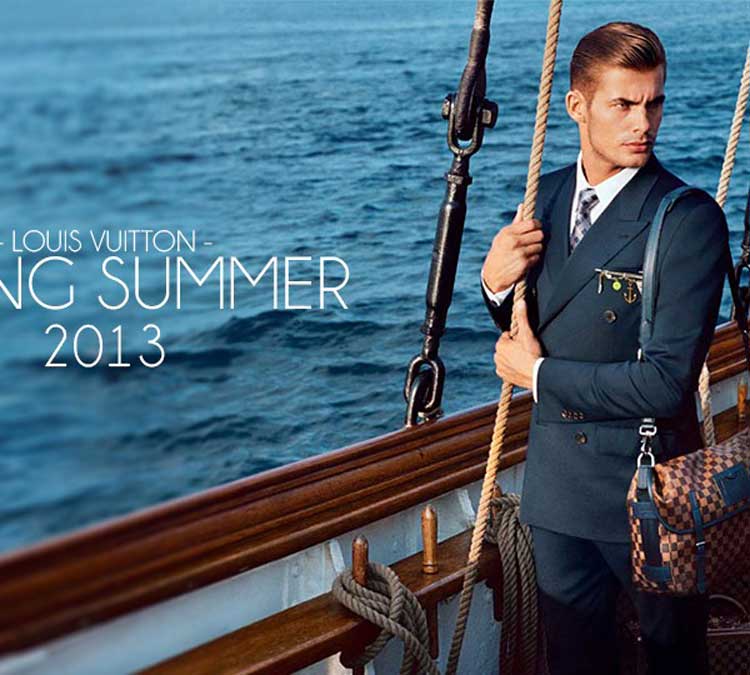
It is still too early to determine exactly how the fast fashion movement will affect the higher end of the fashion market but it has certainly changed how many consumers are buying their fashion. Many designers and high- end retailers have begun to place a great deal of importance on pre-collections, introducing products a couple of months before the major catwalk shows take place. Fast fashion has also raised the expectation of value for money, as many high-street retailers are able to offer trend-driven product at very cheap prices with an ever-improving standard of quality.
This corresponding expansion of fashion and market segments has led to an increase in the number and categorisation of fashion weeks, using Milan as an example we can realise;
- Milano Moda Uomo S/S and A/W
- Milano Moda Donna S/S and A/W
- Milano Moda Showroom S/S and A/W
- Milano Pre-Collection S/S and A/W
- Milano Moda Design 1
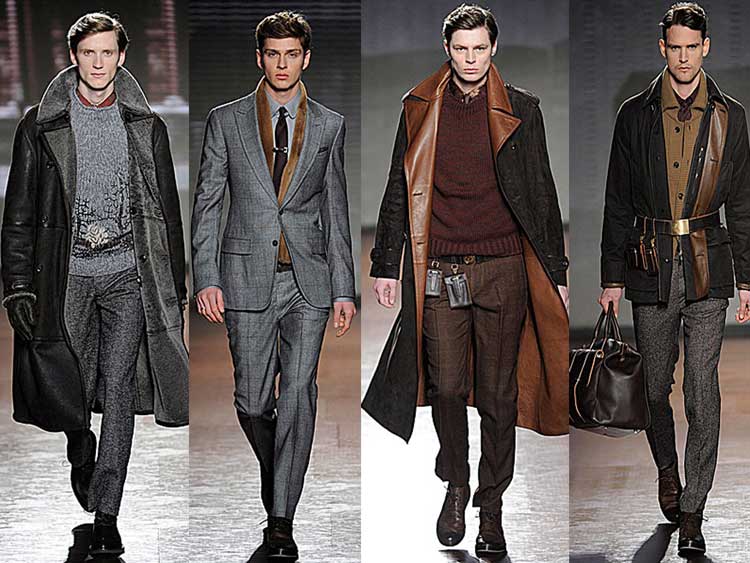
Today, the men’s and women’s collections now range from Ready to Wear (With specialised categories of ´Seasonality´ and ´Eco–Sustainable´ included), Showroom, Pre-Collection and Couture. In total, ten fashion weeks are now held in Milan, covering every segment of the expanding fashion market. A very far cry indeed from Charles Worth´s first offering in 1892.